Best triathlon race-day run shoes in 2026
To provide you with a triathlon boost, it’s wise to have some lightweight specific race-day shoes in your triathlon kit bag. Our expert testers review and rates 10 pairs of race-day run shoes…


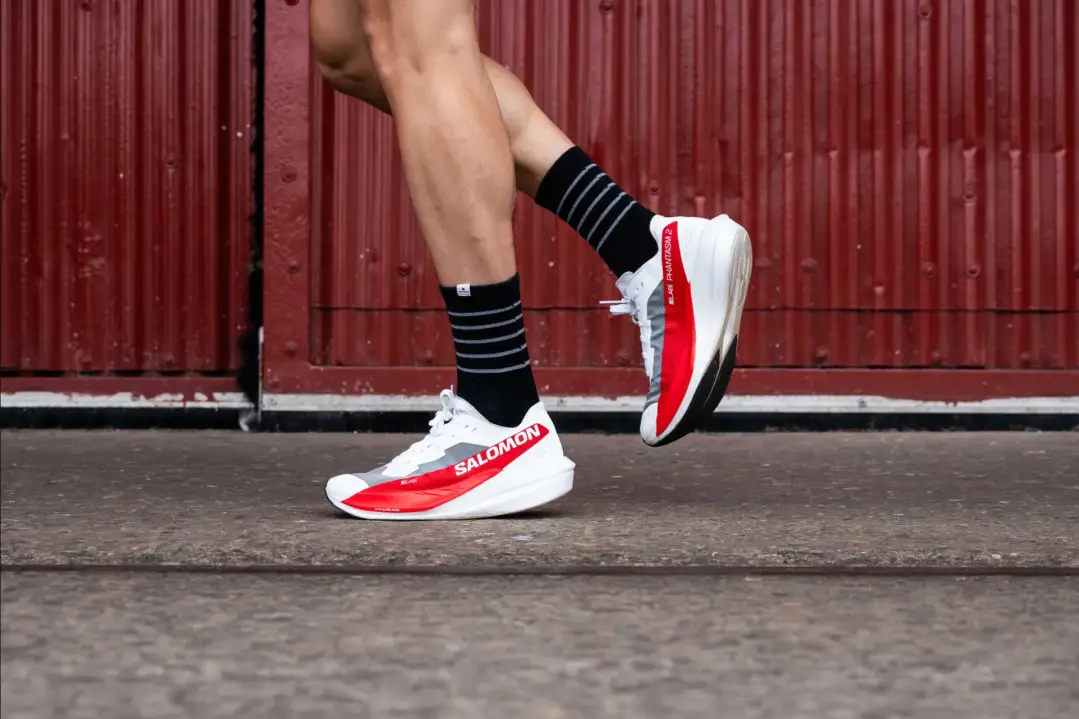
Competing in triathlon admittedly involves a lot of kit, but there are certain areas you can scrimp and others where it’s so worth it to invest for the best race-day experience. Enter, triathlon running shoes.
To perform at your best, you will need your running shoes to be optimised for triathlon. By this, we mean are they lightweight, snappy, and propulsive? But also, do they gel with your triathlon needs? Namely being quick to whip on and off, and chafe-free if you choose to compete sockless.
There’s a lot to consider when to comes to picking the right triathlon running shoes for you. Your tried and tested training mules just may not cut it on race day, where speed, comfort and functionality reign supreme.
Once you know how to choose triathlon running shoes, what features to look out for, and the best models around on the market today, you’ll be making strides with your new kicks. Our expert reviewers have compiled their favourite zippy triathlon running shoes together in this list, so let’s get into it…
Why you can trust 220 Triathlon
Our team of experts rigorously tests each product and provides honest, unbiased reviews to help you make informed decisions. For more details, see how we rate and test products.
At a glance: best triathlon race-day run-shoes tried and tested
The Salomon S/Lab Phantasm 2 (buy) is a lightweight and comfortable speed machine, with good rebound and a nicely breathable upper.
The Saucony Endorphin Speed 4 (buy) is a cushioned and comfortable running shoe primed for triathletes.
The Brooks Hyperion Max 2 (buy) is a great run shoe for both triathlon training and racing.
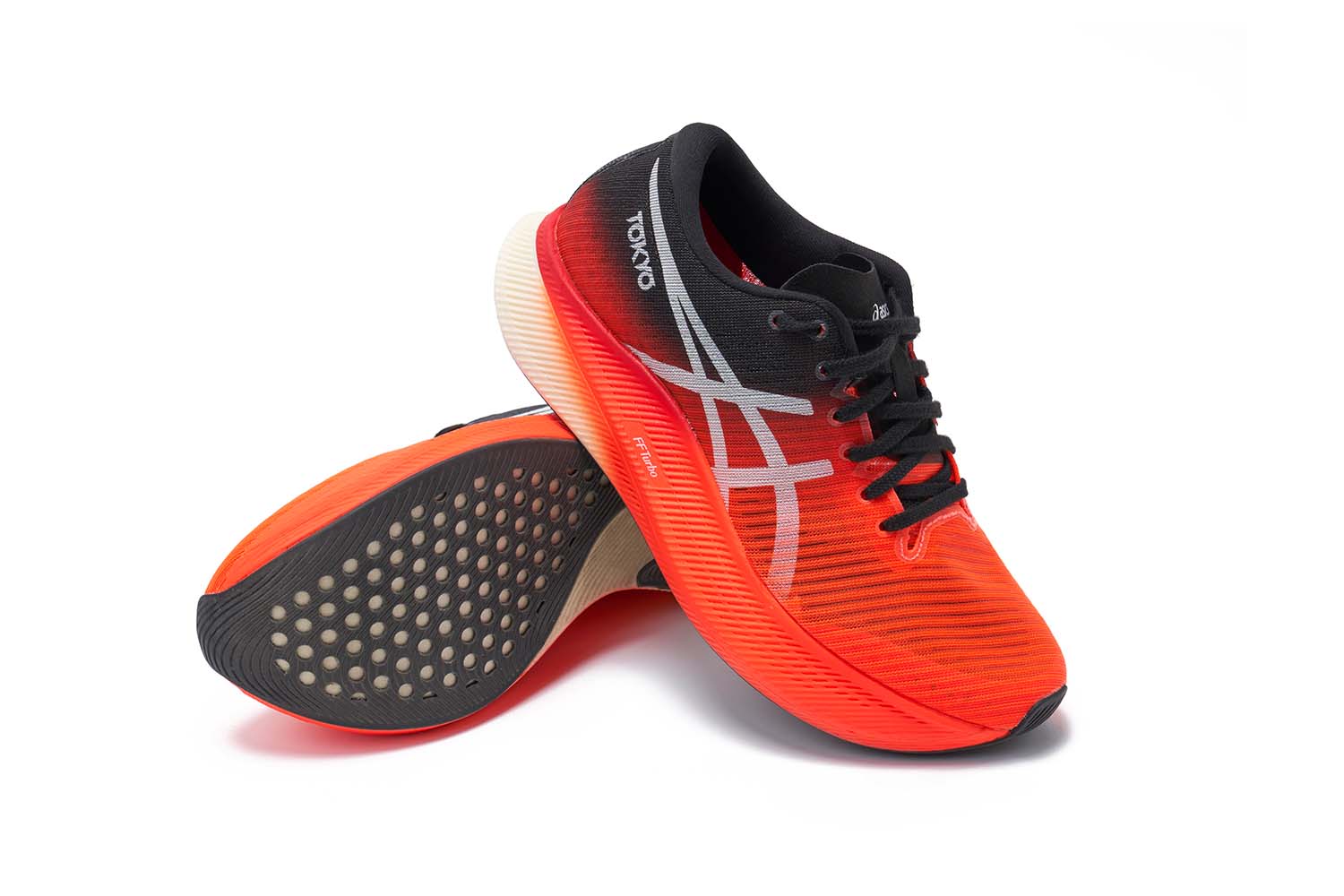
The aggressively coloured and designed Asics Metaspeed Sky Tokyo (buy) could propel you to a run leg PR.
Meet our testers
Jude Palmer is a qualified England Athletics trail / fell running coach, marathon runner and regular running kit tester for 220 Triathlon.
Matt Baird is also an endurance sport author and former 220 staffer, who edited Cycling Plus magazine before joining BBC Countryfile Magazine. Matt has completed every kind of triathlon imaginable and is a prolific running kit tester.
Sub-three hour marathon runner Tomos Whitmarsh-Knight has penned several running shoe reviews for 220 and knows what to look for in a triathlon race shoe.
Rob Slade tests triathlon running shoes while training for and competing in events like the Cardiff Triathlon. 220‘s former content editor is now deputy editor of Live for the Outdoors website.
Former Rouleur and Procycling magazine editor Ed Pickering is running kit tester for 220 and has gone under three hours for the marathon, 17 minutes for 5k and five minutes for the mile.
The best triathlon running shoes in 2026
Best overall triathlon running shoes

1. Asics Metaspeed Sky Tokyo
220 Triathlon Verdict
Fast and comfy, best suited for midfoot and forefoot striking racers. Score: 95%
Pros
- Lightweight and springy
- Carbon sole
- Complements forefoot and midfoot strikers
- Great fit
Cons
- Costly
- Doesn’t suit all gaits
- Not triathlon-specific
| Price | $270/£240 |
| Sizes | UK2.5-UK/US 3.5-15 |
| Drop | 5mm |
| Midsole | FF LEAP and FF TURBO PLUS, carbon plate |
| Weight | 4.55oz/127g |
The Asics Metaspeed Sky Tokyo is a premium race shoe designed for ‘stride’ runners who increase speed by lengthening their gait.
At 4.55oz / 129g, the weight of this strikingly coloured pair is barely noticeable.
Despite its minimalist construction, the shoe tightens securely, aided by serrated laces that prevent slipping.
On the road, the shoe delivers an aggressive, propulsive ride.
The combination of the new FF Leap and FF Turbo Plus foam, paired with a flatter carbon plate, seemed to translate into faster times.
Given its apparent performance, its high cost and lack of triathlon-specific features (like heel loops for quick transitions) are minor drawbacks.
Read my full Asics Metaspeed Sky Tokyo review.
Review by Ed Pickering
Highly rated triathlon race-day run shoe

2. Salomon S/Lab Phantasm 2
220 Triathlon verdict
A sleek race-day shoe that’s super lightweight, speedy, and comfortable. Score : 89%
Pros
- Light and fast ride
- Stable
- Breathable
Cons
- High price-tag
- Can feel quite firm
| Price: | $315 / £240 |
| Sizes: | M4-13, W5-14 (US) / 6.5-13.5 (unisex UK) |
| Midsole: | Energy Blade and a superlight bouncy foam |
| Weight: | 7oz/200g (UK 7) |
The Salomon S/Lab Phantasm 2 impressed during testing, standing out for its lightweight design (7oz/200g, US8/UK7) and exceptional fit.
The upper provides a secure, sock-like feel, while the tongue’s padded, flexible construction ensures comfort without pressure points.
Stability is a highlight, thanks to a flared midsole and wider forefoot platform, making it one of the most stable race-day shoes tested.
The Contagrip outsole delivers excellent grip on corners and pavement, while the PEBAX midsole and carbon plate create a smooth, responsive ride.
Though the price isn’t to be sniffed at, it’s a versatile and speedy racing option across various distances.
Read our my review of the Salomon S/Lab Phantasm 2 here.
Review by Tomos Whitmarsh-Knight

3. New Balance SuperComp Elite v4
220 Triathlon verdict
A top-end racing option that’s pretty close to the best money can buy. Score : 90%
Pros
- Stable and secure
- Incredibly propulsive
Cons
- Weight
- High cost
| Price: | $249.99 / £260 |
| Sizes: | US 7-14 / UK 6.5-12.5 men’s, 3-8 women’s |
| Midsole: | PEBAX foam |
| Weight: | 8oz / 227g (UK 7) |
The New Balance FuelCell SuperComp Elite v4 offers notable upgrades to its predecessor, including a PEBAX foam midsole and thinner, arched carbon plate.
Testing revealed a bouncy, stable ride with excellent energy return, making it suitable for various distances and moderately twisty courses.
The breathable upper is sockless-friendly, though the fit runs small, and the tongue requires adjustment, which could be problematic for triathletes in transitions.
At 7.8oz/222g (UK7) and $250/£260, it’s heavier and pricier than its predecessor, with the rubber outsole contributing to added weight. Refining these aspects in future models could elevate it to top-tier supershoe status.
Read my full review of the New Balance FuelCell SuperComp Elite v4.
Review by Matt Baird
Best cushioned triathlon run shoe

4. Saucony Endorphin Speed 4
220 Triathlon verdict
A great option for an all-rounder shoe, built for both racing and training miles. Score : 95%
Pros
- Responsive run feel
- Excellent grip and support
- Comfortable
Cons
- Not for wide feet
| Price: | $170 / £180 |
| Sizes: | Women’s: US 5-12 / 3-10 UK Men’s: US 7-15 / 6-14 UK |
| Midsole: | 28mm midsole, PWRRUN PB foam |
| Weight: | Men: 8.21oz/233g, Women: 7.3oz/207g |
If you’re seeking a cushioned, super-shoe-inspired option for both training and tri racing, the Saucony Endorphin Speed 4 is an excellent choice. Designed for both comfort and propulsion, it combines performance and practicality well.
The midsole’s winged nylon plate enhances stability and adds a springy responsiveness to the run stride. While the rocker sole promotes smooth transitions and efficient energy return, akin to top-tier carbon-plated shoes.
Despite its bulky appearance, the Speed 4 is surprisingly lightweight, helping reduce leg fatigue over longer distances.
The padded heel collar ensures a secure, snug fit, and the outsole delivers reliable grip, making it a versatile road running shoe.
Read my full review of the Saucony Endorphin Speed 4.
Review by Jude Palmer
Most versatile triathlon run shoe

5. Brooks Hyperion Max 2
220 Triathlon verdict
A good option for a shoe that can handle both training and tri racing, with a decent price-tag. Score : 84%
Pros
- Decent value for money
- Great amount of comfort
Cons
- Not the lightest
| Price | $180 / £160 |
| Weight | 9.2oz / 262g |
| Sizing | UK men’s 6-14, UK women’s 4-9 US men’s 7-15, US women’s 5-12 |
| Features | PEBAX SpeedVault plate, knitted upper |
The Brooks Hyperion Max 2 impressed us as a versatile training shoe that can also handle race-day needs.
Featuring a PEBAX SpeedVault plate, it provides responsive propulsion, while the increased stack height (36mm heel, 30mm forefoot) balances support and speed.
The knitted upper delivers excellent breathability and comfort, making it sockless-friendly, though it’s less suited for wet conditions.
The roomy toe box and secure lacing enhance fit, while the extended heel tab aids quick transitions.
With firm cushioning, it excels at tempo runs and faster-paced training, but isn’t ideal for recovery jogs. Overall, the Hyperion Max 2 is a solid neutral shoe and a strong Brooks offering.
Read my full review of the Brooks Hyperion Max 2 here.
Review by Matt Baird

6. On Cloudboom Echo 3
220 Triathlon verdict
Hard-wearing and well suited to tri racing in some respects. The firm ride will be either a pro or a con. Score : 75%
Pros
- Lightweight ride
- Good traction and durable
Cons
- Firmer than others on test
- Narrow fit won’t suit all
| Price | $289.99 / £260 |
| Weight | 7.4oz/211g (size US8/UK7) |
| Sizing | US women’s 5-11, US men’s 7-14 |
| Features | Carbon plate, two foam layers |
The Cloudboom Echo 3 stands out for its lightweight design, tipping the scales at just 7.4oz/211g per shoe (size US8/UK7). Ideal for tri racing.
Its construction includes a full-length carbon plate sandwiched between two foam layers, creating a responsive and energetic ride.
However, the shoes feel firmer compared to others and with a 10mm heel-to-toe drop, we found that they encouraged heel-striking during runs.
The fit leans on the narrow side, offering agility but less support. On the plus side, the breathable upper ensures a secure fit and delivers a comfortable sockless experience, ideal for triathletes.
The outsole impressed with its durability and reliable grip, though some knee discomfort arose for us during testing.
Read my full On Cloudboom Echo 3 review for more.
Review by Matt Baird
7. Asics Metaspeed Sky
220 Triathlon verdict
A well thought-out and lightweight design, but we just didn’t gel with these shoes. Score: 82%
Pros
- Sustainable and breathable
- Great for sustaining race pace
Cons
- Runs small
| Price | $250 / £225 |
| Weight | 5.6oz/166g (UK5.5) |
| Sizing | US 5-15, UK 4-14 unisex |
| Features | Carbon plate, foam midsole |
The Metaspeed’s available in two almost identical looking variations. On test here is the Sky, which is for runners who extend their stride to increase pace.
It has a carbon plate sandwiched within its midsole and a 5mm drop, both of which aim to help you conserve energy and maintain race pace.
They feature a recycled upper, while breathability is on par with the Crafts. The heel collar has a surprisingly luxurious amount of cushioning, considering these are the lightest shoes on test at 5.6oz/166g.
However, our UK5.5 ran considerably small, and we found our toes were squished forwards in the narrow toe-box.
The curved sole’s best suited to midfoot or heel strikers as the outsole felt lacking in grip and left this forefoot striker feeling somewhat unstable in motion.

8. Hoka Cielo X1
220 Triathlon verdict
A spongy, springy and slightly bonkers Hoka release that doesn’t seem to have a USP. Score: 70%
Pros
- Propulsive, bouncy ride
- Ideal for distance running and events
Cons
- Heavy and felt unstable
- Not cheap
- Laces were a pain
| Price | $275 / £250 |
| Weight | 8oz (US 8), 227g (UK 7) |
| Sizing | US 5-15, UK 4-14 unisex |
| Features | Carbon plate, PEBA foam |
Once you manage to slip into the Hoka Cielo X1, there’s definite Ironman potential. The stacked layers of PEBA foam deliver what might be Hoka’s most cushioned and spring-loaded ride to date.
Unfortunately, the laces are a real letdown—they refuse to stay tied, but since we’re testing these for triathlon racing, we’d exchange these for elastic laces anyway to make T2 a breeze.
The lack of a heel pull-tab doesn’t help matters either, and the narrow foot entry adds another hurdle during quick transitions.
Disappointingly, the otherwise excellent Rocket X 2 shares similar flaws, meaning neither of Hoka’s top-tier carbon racers quite hit the mark for triathletes.
Hoka has since released an updated version that they say is lighter, better ventilated, and offers improved grip.
Check out my complete review of the Hoka Cielo X1.
Review by Matt Baird

9. Saucony Endorphin Elite
220 Triathlon verdict
Concerns about durability, but other wise this is a speedy, stable shoe that is a lot of fun to run in. Score: 83%
Pros
- Very lightweight shoe
- Ride is responsive and propulsive
Cons
- Very high price tag
- Durability concerns
| Price | $275 / £280 |
| Weight | 6.7oz / 189g (US 9 / UK 8) |
| Sizing | US 7-14, UK 6-13 |
| Features | Carbon plate, mesh upper, 36mm stack, 8mm drop |
The Saucony Endorphin Elite blends a hefty 39.5mm stack of PWRRUN HG foam, a lightweight 6.7oz (189g) build, and a carbon plate to create a ride that feels snappy, smooth, and fast.
As shown in the photo above, the mesh upper is ultra-light and almost translucent in spots, which enhances airflow. That said, some may not find it comfortable enough against bare feet for tri racing.
Putting them on in a hurry can be frustrating, especially with the heel occasionally folding in on itself. Once on, the fit isn’t quite as locked-in as we’d prefer for high-intensity efforts, but fit can be personal to the wearer. That aside, the shoe delivers solid speed and reliable support.
See my full Saucony Endorphin Elite review for more.
Review by Matt Baird

10. Hoka Mach 6
220 Triathlon verdict
Does the job of multiple shoes in one; make sure to check the fit and sizing. Score: 88%
Pros
- Could be your only running shoe
- Plush and lively ride
Cons
- Unusual shoe shape
- Tongue is sparsely padded
| Price: | $140 / £140 |
| Sizes: | Men’s: US 7-14 / UK 6.5-12.5 Women’s: US 5-11 / UK 3.5-9.5 Regular and wide fit |
| Drop: | 5mm |
| Midsole: | Super critical foam midsole |
| Weight: | 9.6oz / 272g (UK11.5) |
Such is the Hoka Mach 6’s versatility, we found it suitable for all kinds of runs, from short, easy outings to race-pace efforts.
The tall 37mm stack height (women’s is 35mm) propels you on while there’s ample cushioning from the EVA midsole for longer, weekend runs.
Check the sizing before buying because the fit was a little small and narrow for our tester.
Read my full review of the Hoka Mach 6.
Review by Rob Slade
How we tested triathlon running shoes
At 220 Triathlon, we review every triathlon running shoe in a thorough and consistent testing process that reflects the racing needs of triathletes.
For at least several weeks, we wear each shoe for multiple workouts, generally at and above race pace on paved surfaces to best mirror event conditions.
The criteria we assess the shoes on include weight, comfort, propulsion, stability, value for money and, crucially for triathlon, transition speed. We also consider their comfort with and without socks.
For more details, see how we rate and test products.
Features to look for in triathlon running shoes

Finding the right pair of triathlon shoes for your running style and needs can be confusing, but there are a few key features that are important to look out for in your next pair of racing trainers.
Tri-specific features
Elastic laces, pull-tab systems and heel loops enable quick transitions, while mesh or knitted uppers provide comfort and breathability when you’re not wearing socks.
Drainage holes stop your feet getting weighed down by the rain when racing in bad weather.
Sole
Many triathlon running shoes have a carbon-plate in the midsole to propel you forwards when you push off from the ground.
While their speed is credited with faster run leg times, there’s a flipside to their technology and stiffness.
Carbon-plate running shoes are expensive and some runners find them too unforgiving for racing, let alone training.
Terrain
Firstly, consider what terrain you’ll be running on and over what distance.
If the run leg of your race is on road and especially for the longer distances, you’ll need to think about what cushioning and support your feet need to cope with the high impact of tarmac.
If you’re after an off-road pair, we’ve got you covered with an extensive round-up of the best trail shoes reviewed.
Weight
Beyond cushioning levels, triathlon race-day run shoes should be as lightweight as possible to help you maintain a high speed and cadence.
As triathletes, we know that weight matters. Which is why a pair of lightweight road running shoes really can pay off.
Okay, we may only be talking 3.5oz/100g or so per shoe over your training shoes, but throw in a cadence of around 120 strides per minute over three to 26.2 miles, and that soon adds up.
What shoes to wear for triathlon?

The last thing you want from a triathlon is a running injury, so it’s best to wear running shoes that are comfortable, supportive and adequately cushioned than a quicker, overly harsh racer.
This especially holds true over longer triathlon distances if you’re not targeting a fast time. Your everyday training shoe or even a cushioned running shoe could be suitable for a 70.3 or Ironman.
More ambitious and resilient triathletes might want to consider a race running shoe to gain time through propulsion and low weight.
The ultimate time saver will be a dedicated triathlon shoe. These can cut your time in transition and provide the same benefits as a snappy racer in the run itself.
What running shoes do the pros wear?

Various versions of the Asics Metaspeed are very popular among elite triathletes. Lucy Charles-Barclay wears the Asics Metaspeed Sky Tokyo while Hayden Wilde races the Metaspeed Ray Tokyo.
As raced by Alex Yee and Georgia Taylor-Brown, the New Balance FuelCell SuperComp Elite V5 is another common sight on the feet of the elites.
Nike is also well represented. Vincent Luis and Anne Haug run in the Vaporfly 4.
For more information, we’ve done a full run-down of what running shoes pro triathletes use.
What are the rules for triathlon shoes?
Both World Triathlon and Ironman prohibit running shoes with a sole thicker than 40mm and more than one carbon plate. Sometimes prototype shoes are also forbidden in elite racing.
These triathlon organisers followed the lead of World Athletics. It banned certain ‘supershoes’ prior to the 2020 Tokyo Olympics over concerns they lend an unfair advantage.
According to Ironman, banned shoes include the Hoka Skyward X, Asics Superblast, New Balance FuelCell SuperComp Trainer V1 and Saucony Kinvara Pro.
Recent updates
- 16 February 2026: We added a shortened version of our Asics Metaspeed Sky Tokyo review and checked other products were in stock.


 Matt Baird
Editor of Cycling Plus magazine
Matt Baird
Editor of Cycling Plus magazine With contributions from